
One espresso tastes balanced, sweet and full-bodied. The next tastes sour, weak, bitter or runs far too quickly. Inconsistent espresso is one of the most common challenges in a café, and it affects far more than a single cup—it affects customer trust, staff confidence and the profitability of every coffee served.
The good news is that inconsistency is usually not a mystery. Espresso is highly sensitive to a small group of controllable factors: grind size, dose, temperature, pressure, pre-infusion, water and machine stability. Once these are understood and managed, cafés can make their coffee far more repeatable.
1. Incorrect or changing grind size
Grind size is one of the first things to check. It controls how quickly water passes through the coffee puck.
- Too coarse: water flows through too quickly, producing a thin, under-extracted and often sour shot.
- Too fine: water struggles to pass through, producing a slow, over-extracted and often bitter shot.
Even a good grinder needs regular adjustment. Humidity, weather, bean age and changing coffee batches can all affect how coffee behaves. A setting that worked perfectly in the morning may need a small correction later in the day.
Café tip: Record the recipe—dose, beverage weight and extraction time—and dial in again whenever the coffee, weather or grinder behaviour changes.
2. An inconsistent coffee dose
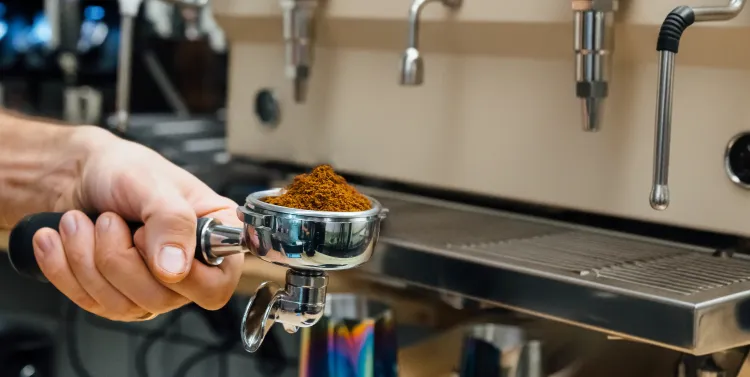
The dose is the amount of ground coffee placed in the portafilter basket. If one barista uses 18 grams and another uses 19.5 grams, the water will meet a different level of resistance. The result will change, even if every other setting remains the same.
Use a weighing scale during dial-in and train the team to follow a standard recipe. Consistent dosing, distribution and tamping make espresso easier to repeat across different shifts.
3. Brew temperature that does not suit the roast
Different coffee roasts extract differently. A lighter specialty roast often benefits from a slightly higher brew temperature, while a darker roast may taste harsh or bitter if the temperature is too high.
When temperature is not stable or cannot be adjusted, the café has less control over the final cup. A good machine should help the barista set a suitable temperature for the coffee rather than forcing every roast through the same fixed setting.
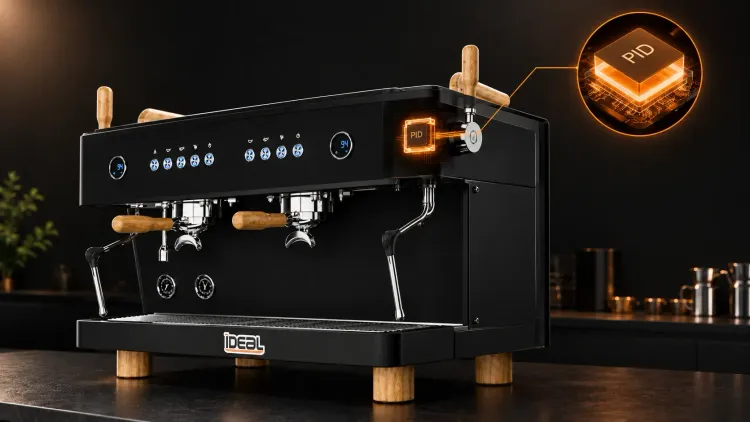
This is where a PID-controlled espresso machine becomes important. PID helps maintain a more consistent brew temperature, reducing the fluctuations that can happen during repeated extraction. With adjustable temperature, the barista can fine-tune the recipe according to the roast profile and desired flavour.
4. Unstable pressure during extraction
Espresso needs controlled pressure to extract evenly. If pressure is inconsistent, the shot can channel, run unevenly or taste different from one cup to the next.
Pressure stability depends on the machine's pump, valves, maintenance condition and overall build quality. It can also be affected by an uneven coffee bed or poor tamping.
Keep the group head clean, check that the portafilter locks properly, and ensure that the machine receives routine maintenance. The goal is not simply high pressure—it is stable, controlled pressure throughout the extraction.
5. Pre-infusion is ignored or not adjusted
Pre-infusion is the gentle introduction of water to the coffee puck before full extraction pressure begins. It allows the grounds to saturate evenly and can reduce channelling, especially with fresh or lighter-roast coffees.
If pre-infusion is too short, uneven saturation can lead to inconsistent flow. If it is too long for the coffee and recipe, the shot can lose balance. The right pre-infusion depends on the roast, grind, dose and basket.
Machines with adjustable pre-infusion give cafés a valuable tool for refining extraction. Instead of treating every coffee the same way, the barista can create a more suitable recipe for the bean being used.
6. Water quality is affecting the machine and the cup
Water makes up most of an espresso, so its role cannot be ignored. Water with unsuitable mineral content can affect flavour, cause limescale inside the machine and reduce the life of boilers, heating elements and valves.
Very hard water can create scaling and affect heat transfer. Poorly treated water can also make coffee taste flat or unpleasant. Using RO water with the recommended TDS range, along with suitable filtration and regular maintenance, protects both coffee quality and the machine.
For commercial cafés, water quality should be part of the opening checklist—not a correction made after machine problems begin.
7. Machine instability during busy service
During a rush, the machine may need to brew espresso, steam milk and dispense hot water repeatedly. If its system cannot maintain stable temperature and steam performance under load, shots can become inconsistent exactly when the café is busiest.
This is one reason why boiler configuration matters. A well-designed dual-boiler or multi-boiler machine can separate key functions and help maintain more stable operating conditions. It gives the barista greater confidence to work at pace without compromising every espresso shot.
Why PID and adjustable settings matter
For a café that wants to serve better coffee consistently, control is essential. A machine with PID and adjustable extraction settings gives the barista the ability to respond to the coffee—not merely hope that a fixed setting works for every roast.
Key advantages include:
- More stable brew temperature from shot to shot
- The ability to tailor temperature for light, medium or dark roasts
- Adjustable pre-infusion for improved puck saturation and extraction
- Better control when introducing new coffees or changing seasonal blends
- More repeatable recipes for staff training and multi-outlet standardisation
Features such as adjustable temperature and pre-infusion do not replace good barista practice. They make good practice more effective by giving the team the tools to create, record and repeat a proper recipe.
A simple café checklist for better consistency
Before blaming the machine or the coffee, check the basics:
- Is the grinder correctly dialled in today?
- Is the dose being weighed and repeated accurately?
- Are distribution and tamping consistent?
- Is the brew temperature suitable for the roast?
- Is pre-infusion set appropriately?
- Is the machine clean and properly maintained?
- Is the water within the recommended quality range?
- Is the team following one shared espresso recipe?
Final thought
Great espresso is not created by one setting alone. It comes from controlling the small details consistently—coffee, grinder, recipe, water and machine performance.
For café owners, investing in a stable commercial espresso machine with PID temperature control and adjustable settings creates a stronger foundation for coffee quality. It gives the team the flexibility to work with different roast profiles, refine extraction and serve a cup customers will want to return for.
Want help choosing the right commercial espresso machine for consistent coffee? Connect with Ideal Coffee Machines for a live demonstration and a recommendation based on your outlet format, daily cup volume and coffee menu.
Never Miss a Specialty Coffee Article
Google Preferred SourceAdd Ideal Coffee Machines as a preferred source on Google Search. Get prioritized access to commercial espresso machine comparisons, temperature profiling techniques, and barista workflows in Top Stories and AI Overviews.
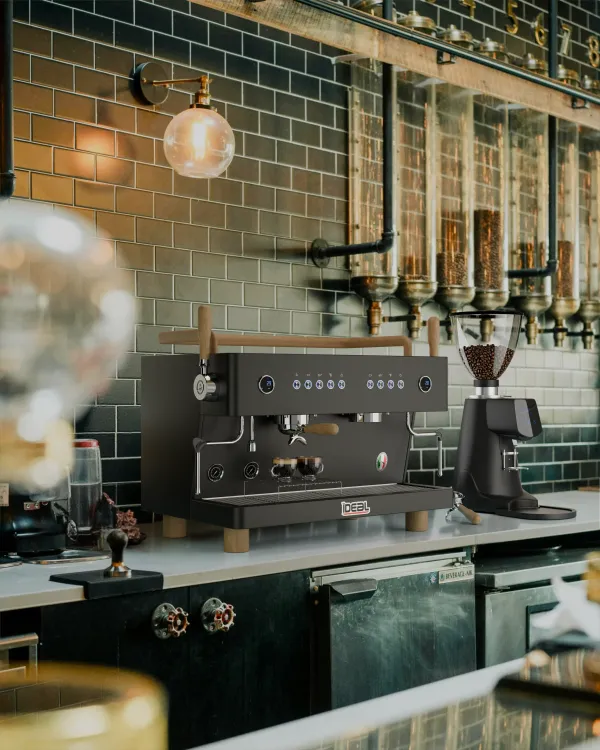
Ideal La Bella Black
Ideal La Bella Black is a stylish and reliable coffee machine designed to deliver an exceptional coffee experience. Combining elegant aesthetics with efficient performance, it is an ideal choice for homes, offices, cafés, and other coffee-serving spaces.
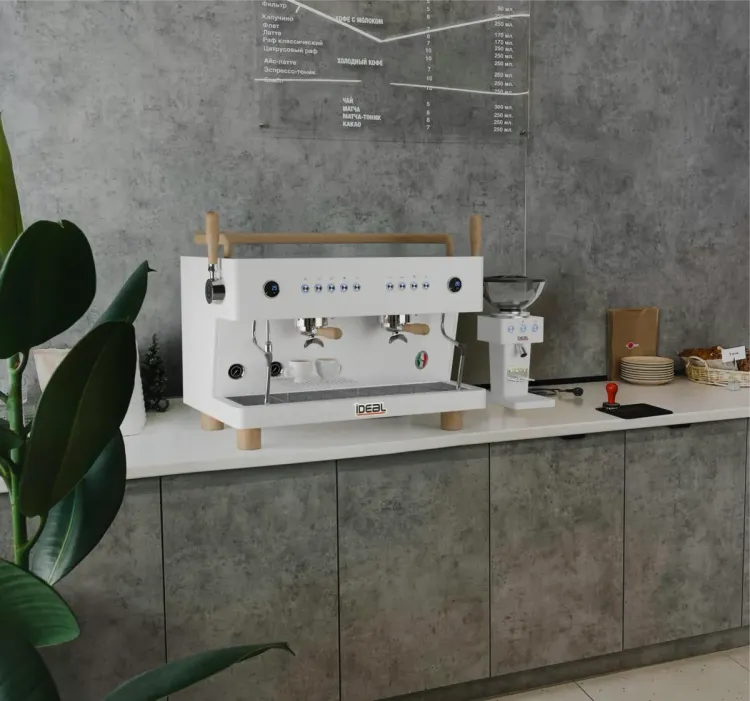
Ideal La Bella White
Ideal La Bella White is a stylish and reliable coffee machine designed to deliver an exceptional coffee experience. Combining elegant aesthetics with efficient performance, it is an ideal choice for homes, offices, cafés, and other coffee-serving spaces.
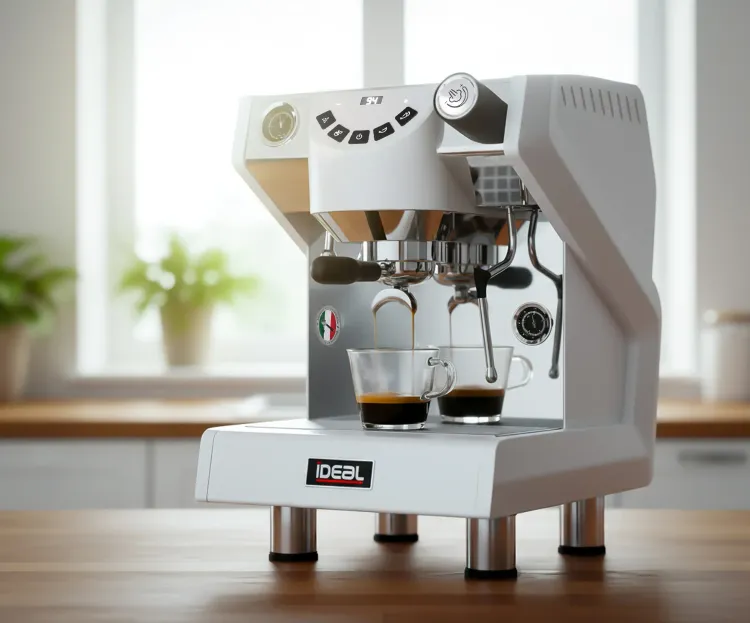
Ideal D24 Pro
Ideal D24 Pro features a dual boiler espresso machine design, PID temperature control, adjustable pre-infusion, and 3-hole steam wand for professional coffee extraction.
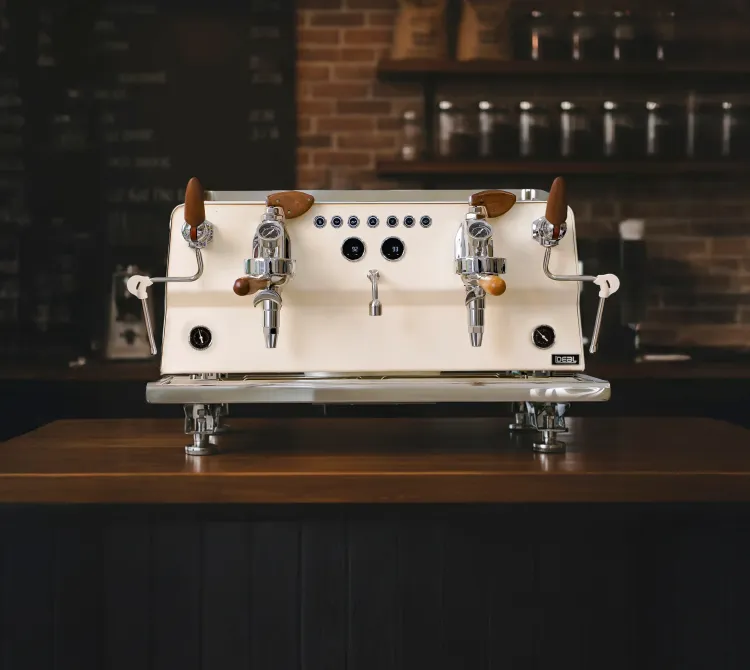
Ideal E61 Elegante
The Ideal E61 Elegante is a professional espresso machine that combines timeless design with precision brewing technology. Designed for cafés, restaurants, and speciality coffee businesses, it delivers reliable performance and consistent espresso extraction.

Why Does Espresso Taste Bitter? Common Causes and Solutions
Is your espresso bitter, harsh or burnt? Learn the seven most common causes, from over-extraction and grind size to water temperat...
PID in Espresso Machines What Is It and Why Does It Matter
When buying a commercial espresso machine, you will often see terms such as PID, multi-boiler, pre-infusion and adjustable brew te...
What Causes Inconsistent Espresso Shots A Complete Guide for Cafes
One espresso tastes perfect, while the next runs too fast, tastes sour, or produces a different volume. Inconsistent espresso shot...