
We’re sure your Instagram grid has at least one snap of that golden-brown layer atop a fresh espresso, admired by many. That means you’ve witnessed the eye-catching crema - the hallmark of a well-pulled espresso shot. But certain questions often arise: Does crema affect coffee taste, or is it just aesthetics? How to get perfect crema? Even though crema is often admired for its visuals, its role goes beyond aesthetics. It can influence the texture, aroma, and even the initial perception of flavour in espresso.
However, achieving the perfect crema isn’t just about technique - it starts with selecting the best coffee beans for thick crema. In this blog, we’ll break down the science behind crema, what it indicates, and why it matters in every espresso lover’s journey.
What Exactly Crema Is
Crema is a rich, golden crown that tops your espresso shot, giving it that irresistible, sumptuous look. And it’s not just for show and pomp - crema is a vital segment of how your espresso expresses itself in the most flavorful way.
Crema forms when hot water, under higher pressure, passes through through finely ground coffee. This leads to the trapping of oils, gases, and fine particles from your beans. This emulsified mix leads to the creation of the creamy layer we call crema. It brings texture and depth to your coffee and is also a visual and flavour indicator, conveying a lot about the freshness and quality of the coffee.
How Crema Is Formed

Before understanding how to get perfect crema, let’s understand how it is formed. There are majorly two processes through which the formation of crema happens, Let’s understand those:
-
Espresso Extraction Process
The creation of crema is something that is done under high-pressure brewing and begins with the espresso extraction process. It is created by instant hot water that comes into contact with finely ground coffee under high pressure - approximately 9 bars, to be precise. That high-pressure extraction pushes carbon dioxide (CO2), oils, and soluble solids out of the coffee grounds, producing that lovely, golden emulsion. The finer the grind and the more balanced the brew ratio, the richer and silkier your crema. A well-pulled shot of espresso with its smooth crema is an indication of the freshest of beans, fine grind, and accurate technique - a coffee lover’s dream come true.
-
Roasting Process
The key to excellent crema starts in the roaster. Coffee beans emit CO2 while being roasted, which becomes sealed inside. When the beans are newly ground and freshly brewed, that CO2 is released into the espresso and contributes to the light, airy texture of the crema. The oils and solubles pulled out in brewing contribute to the rich, caramel-coloured texture. The fresher the roast, the more stable and vibrant the crema - so always use freshly roasted, high-quality coffee beans for that perfect espresso top layer. If you're looking for a rich, luxurious crema, using the best coffee beans for thick crema, like freshly roasted, medium to dark espresso blends, can be the difference-maker.
What Crema Tells Us
-
Freshness of Beans – A rich, velvety crema indicates recently roasted beans, whereas a thin or quickly disappearing crema indicates stale coffee. Beans are best consumed within 2-4 weeks of roasting for the best crema.
-
Roast Profile - Darker roasts will yield a richer, oilier crema, whereas lighter roasts will produce a thinner, more fragile layer. A balanced medium-to-dark roast usually produces the best results.
-
Grind Consistency – The correct grind size provides the correct extraction. Too coarse, and your crema will be lacking; too fine, and it will become too thick with a bitter flavour. A fine, espresso grind is essential.
-
Extraction Pressure – 9 bars of pressure are needed to create the perfect espresso shot. If your crema is pale and patchy, your machine may not be applying the correct pressure, causing under-extraction.
-
Bean Composition – Crema is different for Arabica and Robusta beans. Blends heavy in Robusta make for a stronger, more stable crema because they have more oil and CO2, but Arabica produces a silkier crema with more delicate flavours.
Below is an add-on table for you, where you can understand the quality of your brew just by analysing crema's appearance:-
| Crema Appearance | What It Means | How to Fix It |
| Thick, Golden-Brown Crema | Perfect extraction! Fresh beans, correct grind size, and proper pressure. | Keep using fresh beans and ensure your machine maintains 9 bars of pressure. |
| Thin or Pale Crema | Under-extraction due to stale beans or a grind that’s too coarse. | Use fresher beans, adjust to a finer grind, and ensure the right brew temperature. |
| Dark Brown, Bubbly Crema | Over-extracted espresso is caused by a grind that’s too fine or prolonged brewing. | Use a slightly coarser grind, reduce brew time, and check your machine’s settings. |
| Fast-Fading Crema | Indicates old beans or incorrect machine pressure. | Always opt for freshly roasted beans and check your espresso machine’s pressure. |
| Crema With a Reddish Tint | Often a sign of high-quality, well-roasted beans, especially blends with Robusta. | Enjoy the bold flavours! Experiment with different Arabica-Robusta ratios for varied taste profiles. |
Crema's Influence on Customer Perception
-
First Impressions Matter– A golden, thick crema immediately conveys a perfectly brewed espresso, forming a premium, artisanal perception that contributes to increased customer satisfaction.
-
Quality & Perceived Freshness – Rich, lasting crema is identified by customers as freshly baked and of high quality, whereas thinning or fading crema leads the coffee to feel stale or second-rate.
-
Texture & Mouthfeel Expectation – Richly formed crema signals to the taste buds a smooth, well-balanced espresso to come out and indulge in a delightfully velvety, full-bodied journey.
-
Visual Appeal & Social Media Worthiness – Aesthetic appeal! A beautiful crema makes espresso Instagram-worthy, enhancing brand image and customer interest.
-
Faith in Barista Ability & Equipment – A well-designed crema gives customers confidence that their coffee was prepared by a skilled barista with high-quality equipment, raising the overall quality of their coffee experience.
Methods for Crema Management
-
A Stir for Better Balance – Stirring in the crema marries its intrinsic bitterness with the underlying sweetness and acidity, balancing out the taste to be even and more pleasant.
-
Skimming to a Soothing Sip – Skimming off the crema can tone down the bitterness, enabling the espresso's own flavours to dominate, particularly among those who have a taste preference for something less bitter and sweeter.
-
Crema as a Flavour Indicator – Retaining crema gives a layered drink experience, where the initial sip has its intense, bold flavours, followed by the body of the espresso.
-
Texture Matters – Stirring retains a velvety texture while skimming gives a lighter, smoother texture that certain coffee connoisseurs find appealing.
-
Baristas & Customer's Choice – Although baristas tend to stir to ensure consistency, some coffee enthusiasts like to experiment - no right or wrong, just taste!
Factors Affecting Crema Characteristics
-
Washed vs. Natural Processing
Beans processed naturally result in a heavier, darker crema owing to the oil and sugar retention, whereas washed beans yield a cleaner, lighter crema with more acidity. -
Robusta vs. Arabica
Robusta contains a higher proportion of oils and CO2, giving rise to denser, longer-lasting crema, whereas Arabica creates a softer, delicate layer with nuanced flavour. -
The Freshness of Beans
Crema thrives on freshly roasted coffee. Beans that are too fresh (less than 48 hours post-roast) might produce excessive gas, while stale beans result in weak or disappearing crema. -
Brewing Variables & Their Impact
Grind Size – Finer grind = richer, thicker crema (but too fine may cause over-extraction). Coarser grind = thinner crema due to weak extraction. -
Water Temperature
195–205°F (90–96°C) is the optimal range! Too hot? Burnt crema and over-extraction. Too cold? Weak, pale crema. -
Pressure Control
9 bars of pressure is perfect. Too low, crema will be bubbly and thin; too high, it can become too dark and bitter. -
Tamping Technique
A steady 30 lbs of tamping pressure guarantees level water flow. Too light = under-extracted, watery crema. Too hard = over-extracted, dark and bitter crema.
Tweak these factors, and your espresso's crema will be as silky, luxurious, and photo-perfect as a cafe work of art!
Ideal Coffee Machines for Perfect Crema
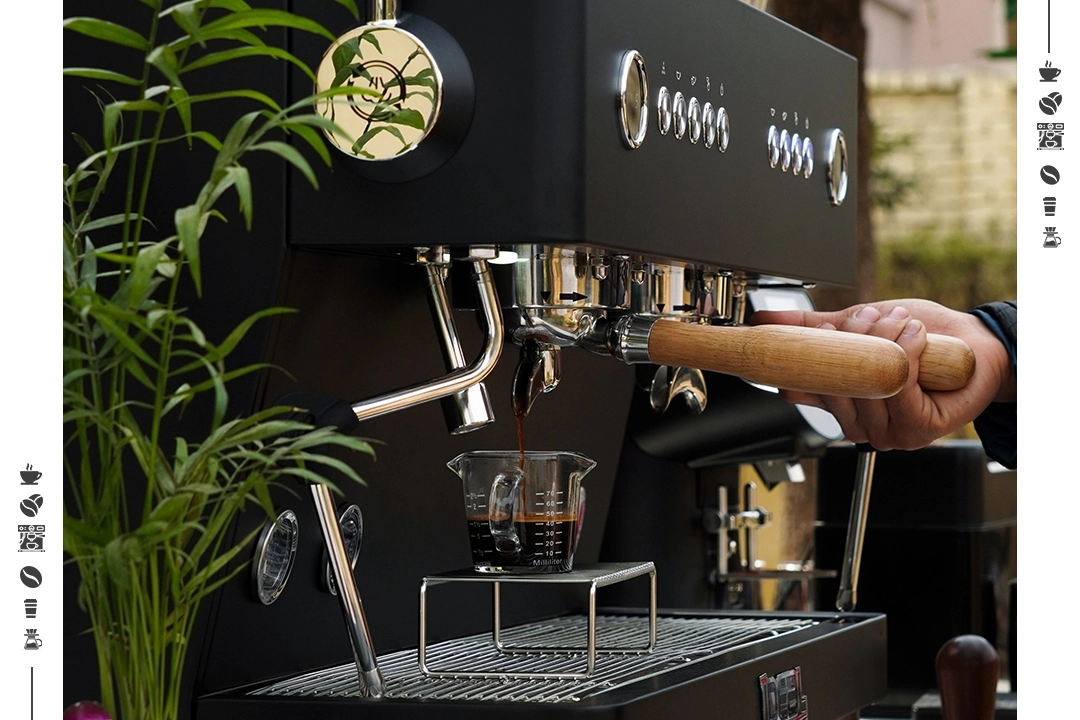
Achieving a rich, velvety crema isn’t just about using the best coffee beans for thick crema and brewing techniques - it also depends on having the Ideal coffee machine. The pressure, temperature stability, and extraction process all play a crucial role in developing that golden-brown layer atop your espresso.
When selecting the best espresso machines for crema, look for machines that offer at least 9 bars of pressure, precise temperature control, and a high-quality portafilter- like the one in our Ideal Barista Perfetto Coffee Machine - to ensure even extraction.
Some of the top choices that will offer you these benefits will be Ideal espresso machines both for commercial use and domestic use including semi-automatic and super-automatic machines, which allow you to control key variables while ensuring consistency. These machines are designed to optimise pressure and extraction, helping you achieve the perfect balance of crema and flavour.
Let’s Wind Up
Crema isn't just a pretty layer that adorns your espresso - it’s an indicator of freshness, technique, and a well-pulled shot. In this blog, we explored its formation, its role in taste, and its impact on perception. Let’s agree on this: it’s an espresso’s first impression and a storyteller of its quality.
Remember, while crema may be the crowning layer, at its core, it is the heavenly balance of flavour, aroma, and texture that makes every sip rich.
So, the next time you extract an espresso shot, pause for a moment and admire that fleeting golden layer- it’s more than just foam; it’s the hallmark of a coffee well made.
Never Miss a Specialty Coffee Article
Google Preferred SourceAdd Ideal Coffee Machines as a preferred source on Google Search. Get prioritized access to commercial espresso machine comparisons, temperature profiling techniques, and barista workflows in Top Stories and AI Overviews.
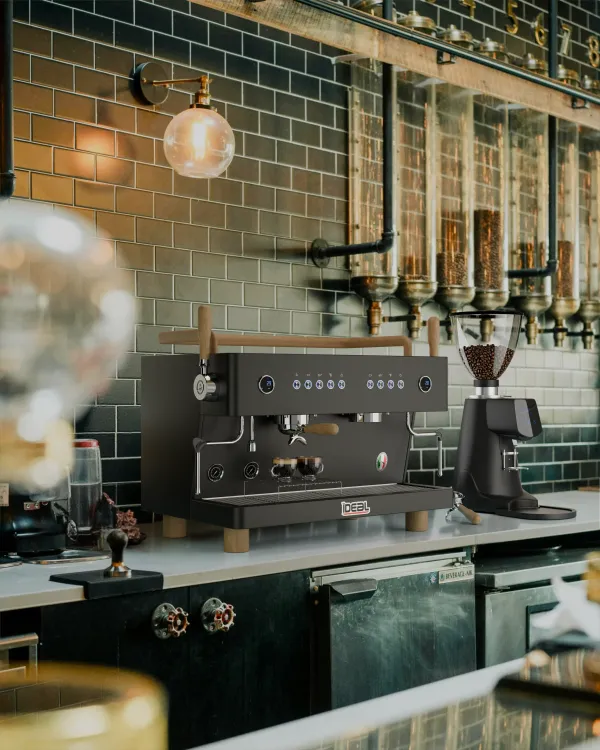
Ideal La Bella Black
Ideal La Bella Black is a stylish and reliable coffee machine designed to deliver an exceptional coffee experience. Combining elegant aesthetics with efficient performance, it is an ideal choice for homes, offices, cafés, and other coffee-serving spaces.

Where to Buy the Best Coffee Machines in India: A Complete Guide for Coffee Lovers
Coffee culture in India has grown rapidly over the last few years. From specialty cafés and bakeries to offices and homes, people ...

Home Vs Commercial Coffee Machines: Brewed for Different Worlds
In a world where coffee has become more than a morning pick-me-up, but an actual lifestyle, the machine you select is more importa...

Baristas at the Heart of Hospitality: Prioritising Customer Service in Every Cup
Brewing More Than Beans Ask anyone what a barista does, and you’ll probably get something like: “They make coffee.” Technically tr...